Article Info

Brand Info

KARS Performance Tuning

We supply premium carbon fiber, exhaust and suspension components for automotive upgrade worldwide.

More Posts

A Beginner’s Guide to Dry Carbon Fiber: Process, Pros & Cons, and Interior/Exterior Buying Guide

Why Does Your “Carbon Fiber” Upgrade Sometimes Feel Wrong?

Many car owners are willing to pay for the word “carbon fiber,” expecting an instant performance look. They end up disappointed when the edges do not fit well, gaps are wide enough to fit a finger, and the surface turns yellow after a few months.

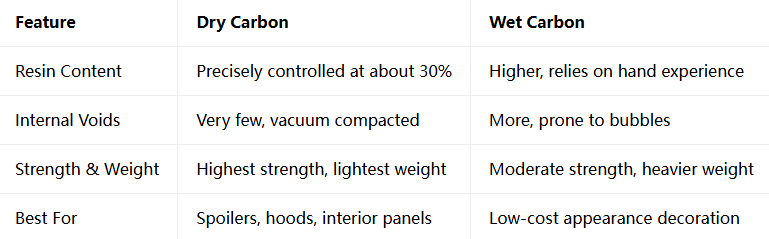
The problem is rarely the carbon fiber material itself; it is the manufacturing process. The market mainly offers “dry carbon” and “wet carbon,” and these two differ drastically in cost and performance.

How Is Dry Carbon Fiber Actually Made?

The core of dry carbon lies in the “prepreg” material. Carbon fibers are pre-impregnated with a precise ratio of resin, forming a semi-cured cloth.

After being laid into a mold, the material goes into an autoclave for high-temperature and high-pressure curing. Excess resin and air bubbles are completely extracted under a vacuum.

Parts made this way have an extremely uniform resin distribution, the lowest weight, and the highest strength. They are not built by hand-brushing resin, but pressed by machines with controlled heat and pressure.

Pros and Cons of Dry Carbon: Why Is It the Top Choice for Performance?

Advantage one: Extreme lightweight. Compared to metal or wet carbon, dry carbon’s resin content is typically kept around 30%, significantly reducing unsprung mass and overall vehicle weight.

Advantage two: Extremely high rigidity. The autoclave process eliminates internal micro-voids, creating an incredibly strong bond between carbon fiber layers with excellent tensile and bending performance.

Disadvantage one: High cost. Prepreg requires cold-chain transport and storage, autoclaves are expensive and energy-intensive, and mold requirements are extremely high, resulting in a much higher unit price than ordinary parts.

Disadvantage two: Difficult to repair. Once severely impacted and fractured, dry carbon is hard to repair like sheet metal, and usually requires a full replacement.

Interior vs. Exterior: Completely Different Buying Logic

Buying interior parts: Focus on fitment and touch.

Interior parts, such as paddle shifters and center console panels, are what the driver sees and touches every day. The precision of the clips and the chamfering of the edges are the keys to interior part quality.

Inaccurate clips can cause parts to detach after summer sun exposure or rub against stock panels and create rattles. Because interior temperatures vary greatly, the clear coat on interior dry carbon must have extreme anti-yellowing and scratch-resistant capabilities.

Buying exterior parts: Focus on structural strength and installation.

Exterior parts, such as spoilers, diffusers, front lips, and hoods, face rain, UV rays, flying stones, and high-speed wind pressure directly. Exterior parts cannot rely solely on 3M double-sided tape; stress points must have stock bolt locations or metal bracket support.

Especially for hoods and spoilers, if they resonate or deform at high speeds, they not only affect aerodynamic performance but also pose safety risks. The back structure of an exterior part often reveals the manufacturer’s craftsmanship better than the front weave.

Avoiding the Pitfalls: How to Quickly Identify Quality Dry Carbon?

  • Check the back and inner walls: High-quality dry carbon has a clean backside without excess resin bumps, and the edges are cut sharply and evenly.

  • Check the clear coat: The surface weave is clear and three-dimensional without a cloudy look, and it feels hard and glassy to the touch.

  • Weigh it: A dry carbon part of the same volume is usually over 20% lighter than a wet carbon part, feeling exceptionally light.

  • Check the mounting holes: Dry carbon parts molded from stock data align perfectly with the original holes, requiring no drilling or spacers.

You Buy the Process, Not Just the Weave

The dry carbon process represents the ultimate pursuit of weight and strength. When buying, do not just look at the surface weave; examine the backside finish, edge cutting, and coating weather resistance.

When you understand the process, you can avoid paying for fake carbon fiber and ensure every dollar goes toward real performance and texture.

If You Want High-Precision, Aging-Resistant Dry Carbon Quality

If you want interior and exterior parts with high-precision dry carbon quality, our dry carbon kits are designed around that demand. Manufactured with autoclave molding, they feature cleanly cut edges and a well-finished backside, rejecting resin pooling.

For exterior parts exposed to long-term outdoor use, our surfaces are covered with a UV-resistant clear coat to prevent yellowing from short-term sun exposure. For interior parts, we provide precise clips based on stock vehicle data, ensuring a perfect fit and eliminating rattles.

Send us your vehicle model and the target parts (interior or exterior), and we will match the right dry carbon setup for you.

  • Autoclave dry carbon process: Higher strength and lighter weight
  • UV-resistant clear coat: Prevents yellowing and maintains long-term gloss
  • Stock-data molds: Edge fitment is precise, no forcing required
  • Precise clip design: Rattle-free interior installation without damaging stock panels
  • Lightweight design: Reduces vehicle weight
Our Social Media:

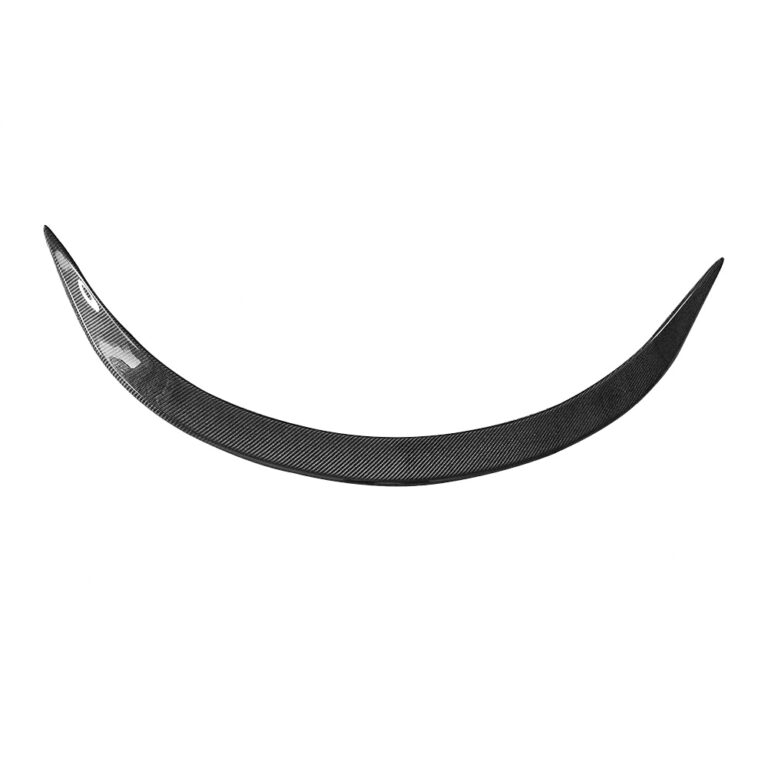
Scratch Proof Matte Forged Carbon OE Fit Low Profile Spoiler For GR Supra 3M Tape No Drill Mounting

$417.00

Mirror Gloss Autoclave Prepreg Carbon AD Style Side Apron For Toyota Supra 2019-2026 Street Aero Mod Trim

$1,389.00

High Shine Autoclave Prepreg Carbon Front Spoiler For Vintage Supra A80 Street Retro Aero Tuning Parts

$833.00

Impact Resistant Matte Forged Carbon OE Fit Rear Bumper Splitter Corner For Toyota GR Supra Bolt On Upgrade

$1,389.00

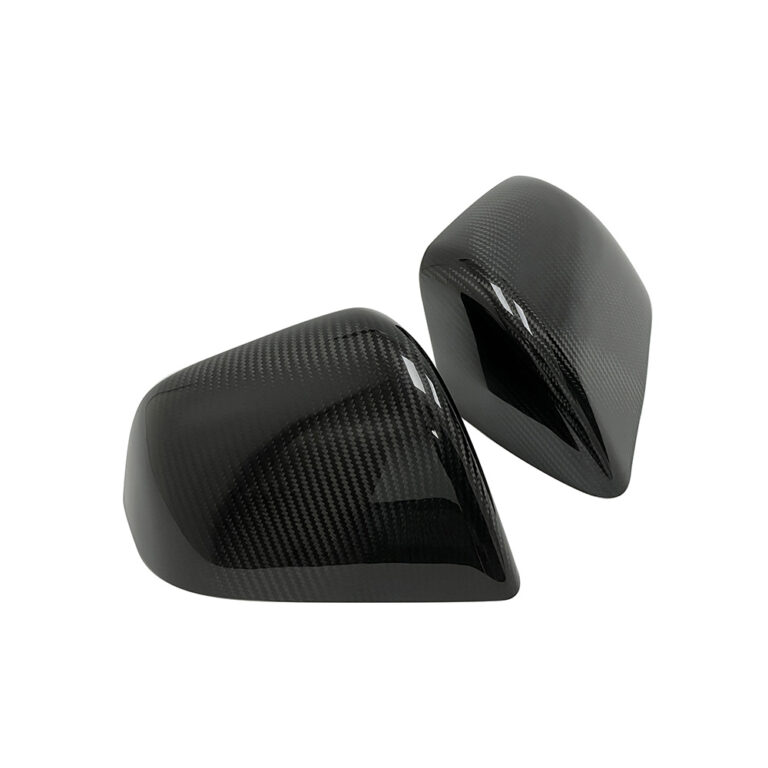
Autoclave Gloss Prepreg Carbon Mirror Housing For Tesla Model Y Performance Sport Exterior Upgrade Trim

$417.00