Article Info

Brand Info

KARS Performance Tuning

We supply premium carbon fiber, exhaust and suspension components for automotive upgrade worldwide.

More Posts

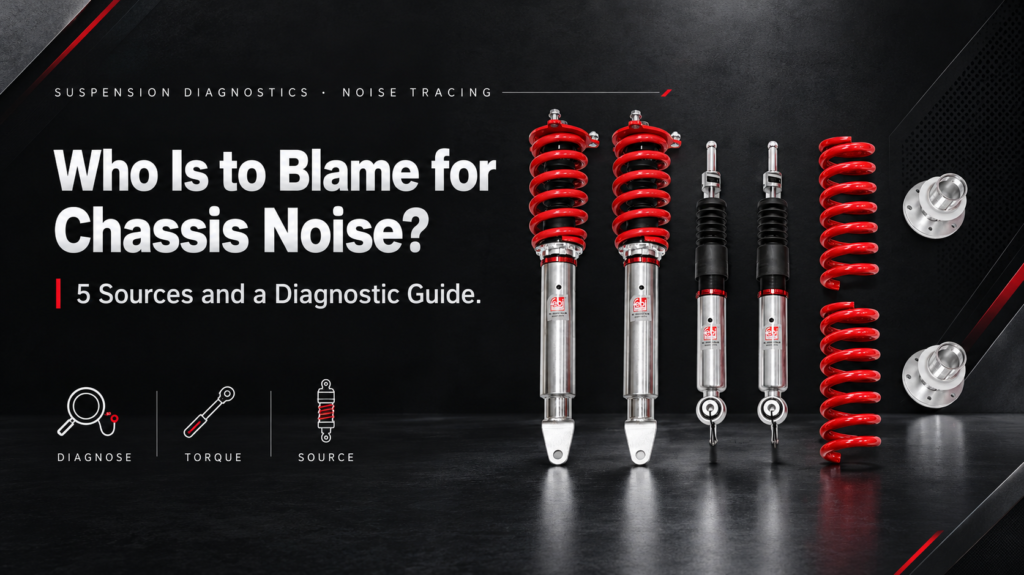
Who Is to Blame for Chassis Noise? A Guide to 5 Sources of Damper Noise and Diagnostics

Why Does the Squeak Remain After Installing New Coilovers?

Many car owners hear chassis noise and immediately assume the dampers are broken. They spend a fortune on new coilovers, only to hear the same familiar squeaking over speed bumps and feel their money was wasted.

Noise is rarely the fault of a single part; it is a warning from the entire suspension system. Rubber components, bearings, and even installation procedures around the damper can all cause sounds.

This guide helps you trace the sound to its source and stop replacing parts blindly.

  • Clunking When Steering? Watch the Top Mounts and Bearings

If you hear a sharp clunk or cracking sound when turning the wheel at a standstill or at low speeds, the thrust bearing at the top mount is likely worn.

Aged top mounts can also cause metal-to-metal contact with the chassis, creating a dull thud. These are wear items. If they are not inspected or replaced during a coilover install, even the most expensive dampers will not stop the noise.

  • Hissing or Metal Knocking Over Bumps? Check for Leaks and Rod Wear

Leaking dampers lose damping oil, and internal gas escaping produces a hissing sound. If the piston rod is worn or slightly bent, it creates a metallic knocking sound during up-and-down movement.

The machining precision and surface hardness of the piston rod directly determine the damper’s lifespan. If the dust boot is torn, sand and debris can enter the seal and quickly scratch the rod.

  • High-Pitched Squeaks? Likely Spring Binding and Preload Issues

Continuous high-pitched squeaks at low speeds often come from friction between the spring and the seat, or the coils hitting each other during compression.

Improper preload setup, especially too little, allows the spring to shift and bounce during compression and rebound, causing noise. Using spring seats and anti-slip pads correctly, along with setting proper preload, effectively eliminates this type of sound.


  • Banging Over Speed Bumps? Do Not Just Stare at the Dampers

A dull banging over speed bumps or rough roads is often caused by loose ball joints on the sway bar links or worn and cracked lower control arm bushings.

The suspension is a team that works together, and play in any single link will be amplified into noise by the damper. During diagnosis, the car must be lifted to carefully check the play at every connection point.

Noisy Right After Installation? Torque Specs and Bushing Clocking

Many noises appear right after a coilover install. There are usually two reasons: first, bolts are not tightened to the proper torque specs, causing looseness; second, bushing clocking was not performed.

After the vehicle is lowered, the control arm angles change. If bolts are tightened at the old angles, the bushings remain twisted, which not only causes noise but also accelerates aging. Three parts installation, seven parts tuning; installation details determine the success of the upgrade.

How to Diagnose? Three Steps to Lock Down the Source

  • Step one: Bounce test. Press down hard on all four corners of the car and listen for the source.
  • Step two: Turn the wheel in place to check if the thrust bearing is damaged.
  • Step three: Put the car on a lift. Use a pry bar to check for play in ball joints, links, and bushings. Professional diagnosis is always more efficient than blind guessing. Confirm the issue before ordering parts.

Fixing Noise Starts with Restoring System Tightness

Noise is not just annoying; it is a warning sign of aging chassis components. Identify the source and replace parts with high-quality ones to regain a solid driving feel.

If You Want a Tight Chassis Without Noise

If your diagnosis reveals that the noise comes from aged dampers or inaccurate aftermarket parts, our dampers are designed with anti-fade and installation precision in mind.

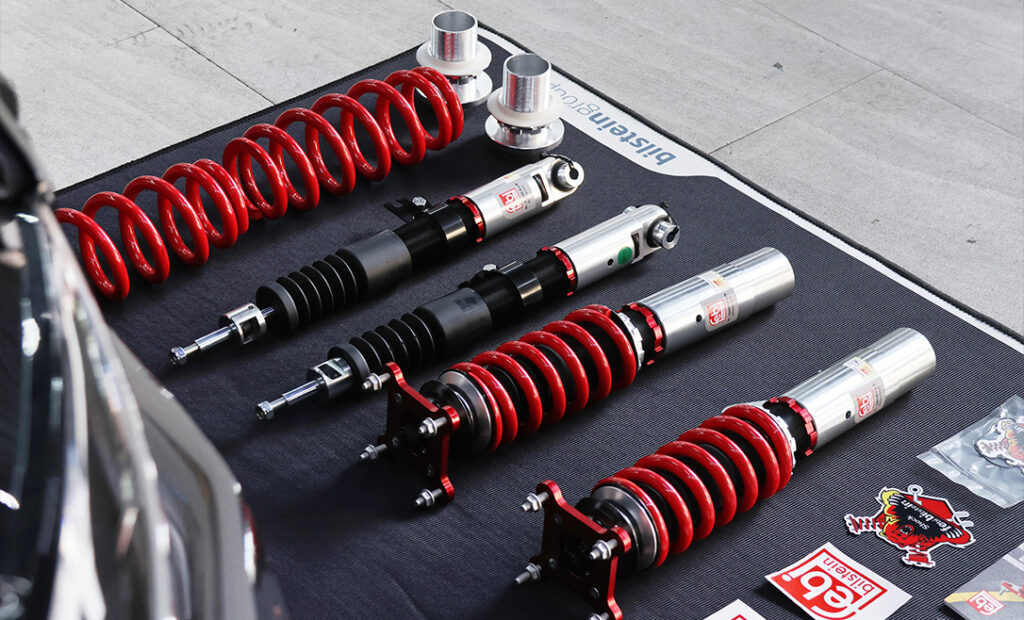
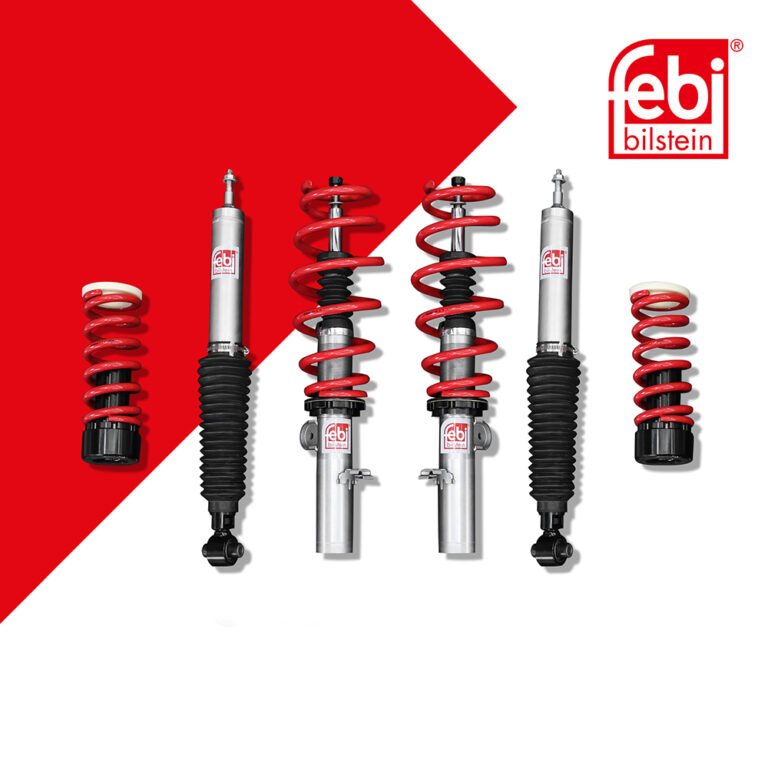
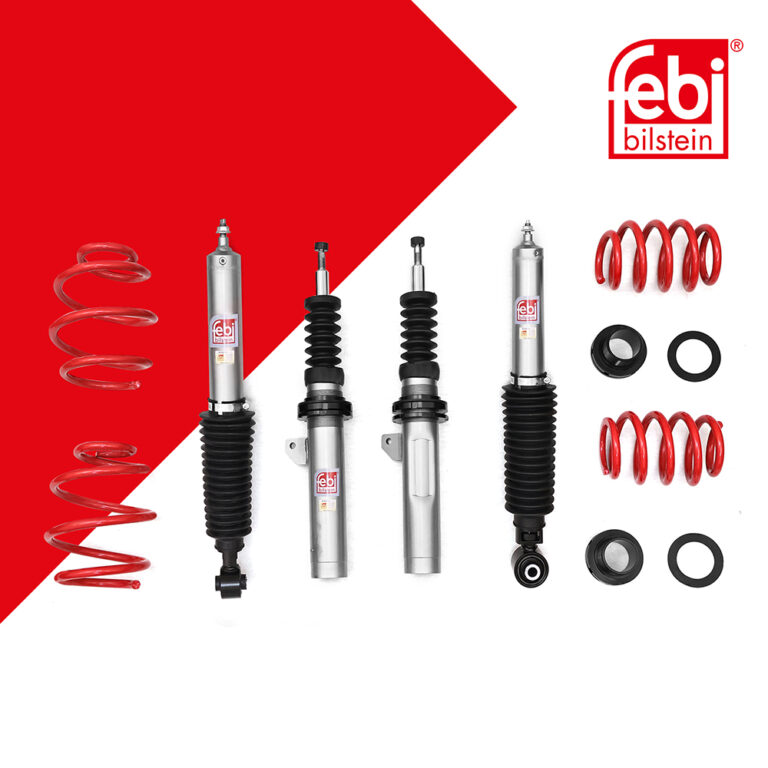
If you seek high bending stiffness and impact resistance, the FS inverted coilover reduces lateral stress on the piston rod to prevent wear-related noise. If you need repeatable adjustments for different road conditions, the FC multi-stage adjustable coilover features a precision shim system that matches damping more accurately and reduces internal impact sounds.

Why Choose Our Shock Absorbers ?

  •  High-precision piston rod: Surface-hardened for wear and scratch resistance
  • Precision shim calibration: Reduces internal oil impact sounds and noise
  • Inverted tube design: High bending stiffness for demanding road conditions
  • Multi-stage adjustable damping: Adapts to different roads and reduces bottoming thuds
  • Stock mounting points: Seamless fit to eliminate looseness

Send your vehicle model and noise symptoms to our technical team. We will help you diagnose the issue and match the best FS or FC damper setup for you.

Our Social Media:

Febi Bilstein High Performance Adjustable Coilovers for ZEEKR X

$1,361.00

Febi Bilstein Coilover Suspension Kit Height Adjustable Shock Absorbers for MINI F56

$1,500.00

Febi Bilstein Height Adjustable Coilover Suspension Kit for NIO ET5

$1,500.00

Febi Bilstein Adjustable Coilover Shock Absorber Kit for Honda Civic 11th Gen FE 1.5T

$1,181.00

Febi Bilstein High Performance Adjustable Coilovers for BMW G30 5 Series

$1,500.00